Built for a difficult moment
At the start of COVID-19, organisations such as schools and workplaces needed to manage testing when people still had to attend in person and testing was mandatory. Collecting and checking results across a group added another administrative burden to an already difficult situation.
We built Corono.Center primarily around self-tests: guiding people through the process, helping them record and share their results, and giving organisations an overview. There is no public version today; we run it individually for selected organisations.
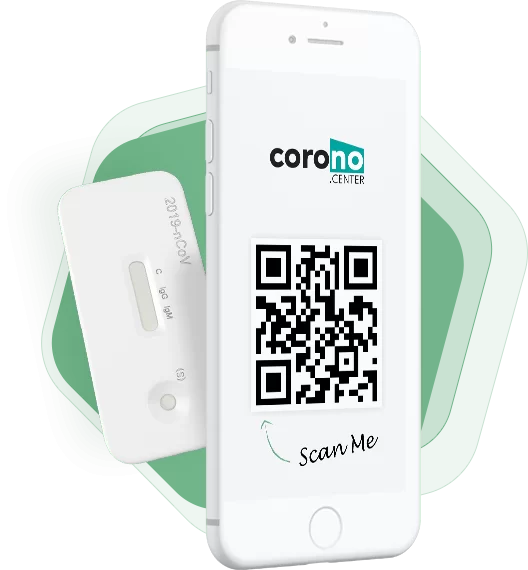
The workflow behind the test
In the original self-test workflow, a person records the starting state with a generated code, follows the guided steps and, after any waiting time, records the result. The process supports a compliance confirmation, a shareable QR certificate with time-limited validity, and reporting to an administrator dashboard.
For organisations, that brings reported status and evidence together instead of relying on separate messages and spreadsheets. A record supports review but doesn’t by itself guarantee correct performance or compliance.
Where else could it fit?
The same pattern can be useful beyond self-tests: perform a task, track what happened and provide evidence to the people who need it. For example, a cleaning team could document a space before and after a job, or an industrial team could record stages of a defined process.
These are possible adaptations, not existing deployments. We can adjust tasks, evidence, timings, roles and reporting, scoped with each organisation.
Supported by the people who built it
Corono.Center is an independent product developed in-house by Doosis. We continue to support its individually managed instances. If you have a process that needs a clear record and a way to share it, we can discuss whether the workflow is a fit.